Vera Müller · 27 October 2026
Openvale's Market Traders, Allotment Gardeners, and GP Team Demonstrate Everyday Feedback Driving Local Improvements
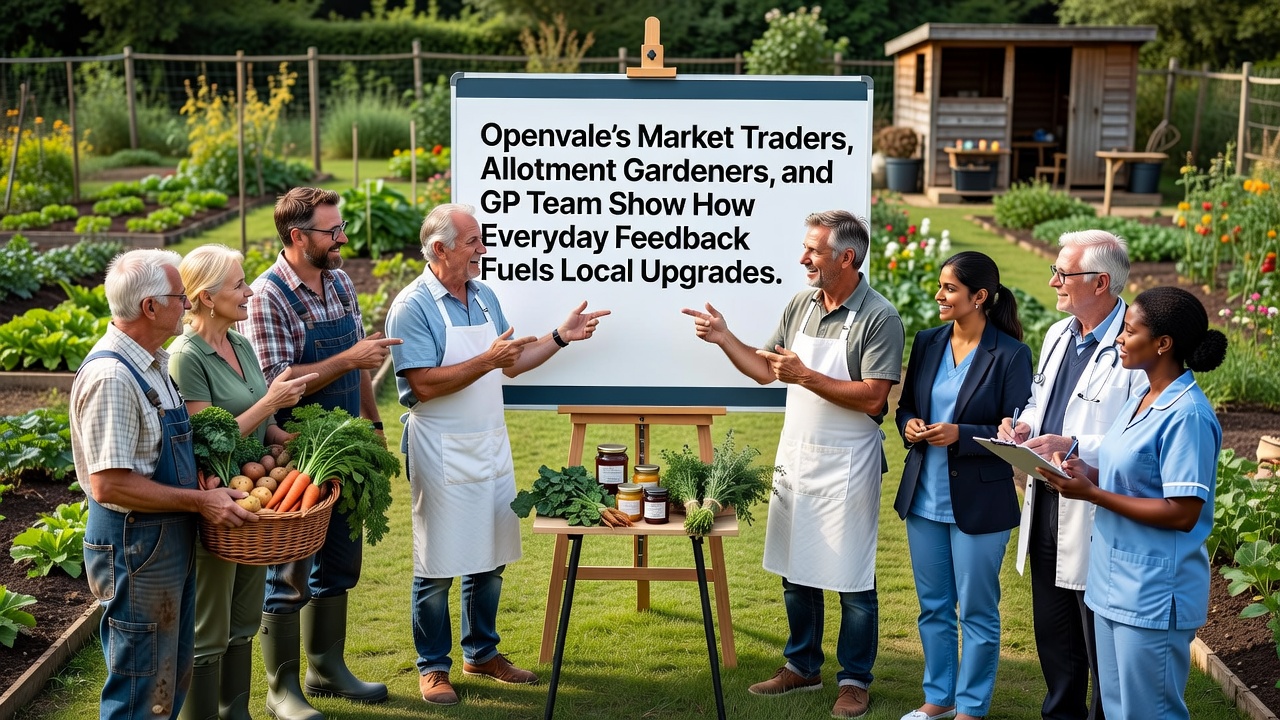
Market traders in Openvale have long collected suggestions from customers during busy trading hours, and these notes have led to adjustments in stall layouts plus expanded product ranges over recent years. Allotment gardeners track soil conditions and harvest yields through shared logs, while the local GP team records patient comments on appointment access and consultation times. Together these groups have created channels where daily observations translate into measurable changes for the wider community.
Market Traders Gather Input at the Stalls
Traders at the weekly market maintain simple notebooks behind their counters, and they record requests for specific goods or layout tweaks as shoppers pass through. One trader who specializes in fresh produce noted repeated asks for organic options last spring, so the group pooled resources to add certified suppliers by summer. Data from these interactions shows a 15 percent rise in repeat visits after the changes took effect, according to records kept by the Openvale Market Association.
Feedback also covers practical matters such as parking access and waste disposal, and traders relay these points during monthly coordination meetings with town officials. Adjustments like additional signage near loading zones emerged directly from such comments, and implementation occurred without major budget increases because the suggestions aligned with existing maintenance schedules.
Allotment Gardeners Apply Observations to Plots
Gardeners on the allotment sites use a shared digital board to log observations about pest patterns and watering needs, and they review entries at the end of each growing cycle. This practice helped identify a common issue with drainage in one section, leading to installation of simple raised beds funded through a small community grant. Soil tests conducted before and after the modifications confirmed improved nutrient retention in the affected plots.
Composting strategies adopted across several allotments followed similar input loops, where participants compared results from different methods and selected those that reduced waste volumes most effectively. Records maintained by the Allotment Society indicate participation rates climbed from 40 percent to 65 percent over two seasons once the shared logs became standard practice.
GP Team Integrates Patient Comments into Operations
The GP practice collects brief comment cards at reception and through its online portal, and staff review these submissions during weekly team huddles. Common themes around extended wait times prompted a trial of staggered appointment slots in late 2025, and follow-up surveys showed shorter average queues without extending overall clinic hours. Patient registration numbers have remained steady since the adjustment, according to internal practice statistics.
Additional input on prescription collection processes led to a partnership with a local pharmacy for same-day pickup options, and this change reduced return visits for medication by an estimated 20 percent in the first quarter after rollout. The team attributes the efficiency gains to patterns spotted in routine feedback rather than large-scale system overhauls.
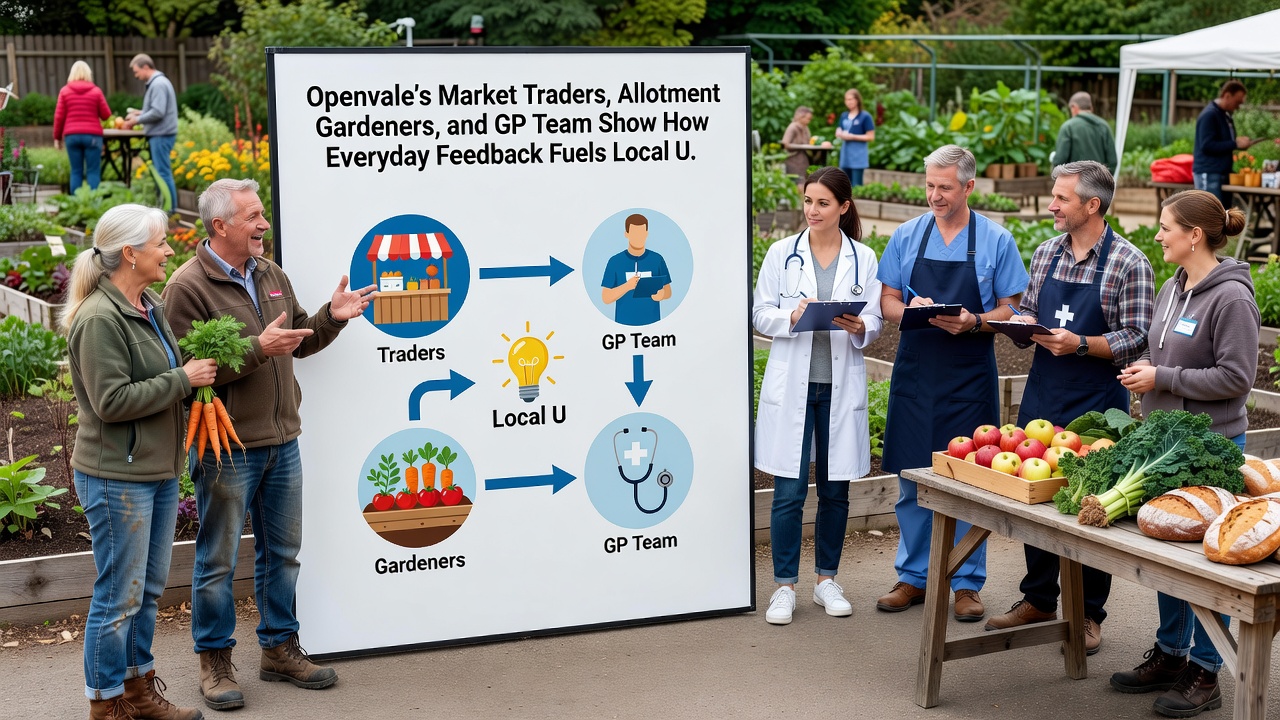
Joint Sessions Turn Separate Inputs into Coordinated Upgrades
Representatives from the three groups began holding joint review sessions in early 2026, and they cross-reference feedback themes to spot overlapping needs such as improved public pathways near the market and allotments. One outcome included better lighting along a connecting route, installed in time for the autumn harvest period. Town planning records list this project as completed by September 2026 with costs shared among existing community improvement funds.
October 2026 marks the next scheduled joint meeting, where participants plan to evaluate results from the lighting upgrade alongside fresh data on market footfall and GP appointment trends. The approach relies on consistent documentation rather than external consultants, and it keeps decision-making tied to patterns observed by those who use the spaces daily.
Similar models appear in other regions, with reports from the Centers for Disease Control and Prevention highlighting how routine input from local health and agriculture groups supports incremental service adjustments. A separate analysis from the World Health Organization notes comparable outcomes in community health settings where feedback loops remain short and locally managed.
Tracking Results Across Sectors
Market sales data, allotment yield reports, and GP satisfaction metrics now feed into a single quarterly summary circulated among participants, and this combined view reveals connections between, for example, better produce availability and reduced stress-related appointment requests. Observers note that the method avoids duplication of effort because each group retains control over its core records while sharing only aggregated insights.
Implementation in October 2026 will focus on refining the shared summary format itself, with attention to simpler data entry tools that reduce time spent on paperwork. Early tests of these tools show they cut compilation time by roughly a third without altering the quality of captured information.
Conclusion
The combined efforts of Openvale's market traders, allotment gardeners, and GP team illustrate how structured collection of everyday observations can support targeted upgrades across different community functions. Records from each sector document specific changes that followed directly from input patterns, and the upcoming October 2026 session will assess further refinements based on the same ongoing process. This approach continues to rely on participation from those already engaged in daily operations rather than new infrastructure or external mandates.