
Xander Jenkins · 10 November 2026
Layered Civic Engagement Emerges from Openvale's Library Sessions and Award Cycles
Library sessions in Openvale operate alongside recurring award cycles that together map out participation trends across different age groups, neighborhoods, and interest areas, and records from the past decade indicate these two elements interact in ways that highlight consistent civic structures rather than isolated events.
Library Sessions Build Regular Participation Routes
Sessions run on fixed weekly and monthly schedules at the central branch and smaller satellite locations, with topics ranging from local history documentation to practical skills workshops, and attendance logs show steady increases in repeat visitors who return across multiple cycles, while single-event attendees often transition into ongoing roles such as volunteer facilitators or discussion leaders. Data compiled by local organizers reveal that November 2026 will mark the start of a new session block focused on digital literacy paired with environmental monitoring projects, and this timing aligns with the opening phase of the next award nomination period.
People who track these patterns note that sessions held in the early evening draw higher numbers from working-age residents, whereas daytime programs attract more retired participants and school-linked groups, and cross-referencing with postcode data shows stronger uptake from wards that also register higher numbers of award nominations in subsequent months.
Award Cycles Operate on Predictable Intervals
The award system functions through quarterly nomination windows followed by annual recognition events, and each cycle evaluates contributions in categories such as community service, environmental stewardship, and educational outreach, with selection panels drawing from previous recipients and independent reviewers to maintain continuity. Figures maintained by the organizing committee indicate that nominations submitted after library session attendance rise by measurable margins, and this correlation appears across multiple years without requiring direct causation claims.
Demographic and Geographic Layers Surface in Combined Data
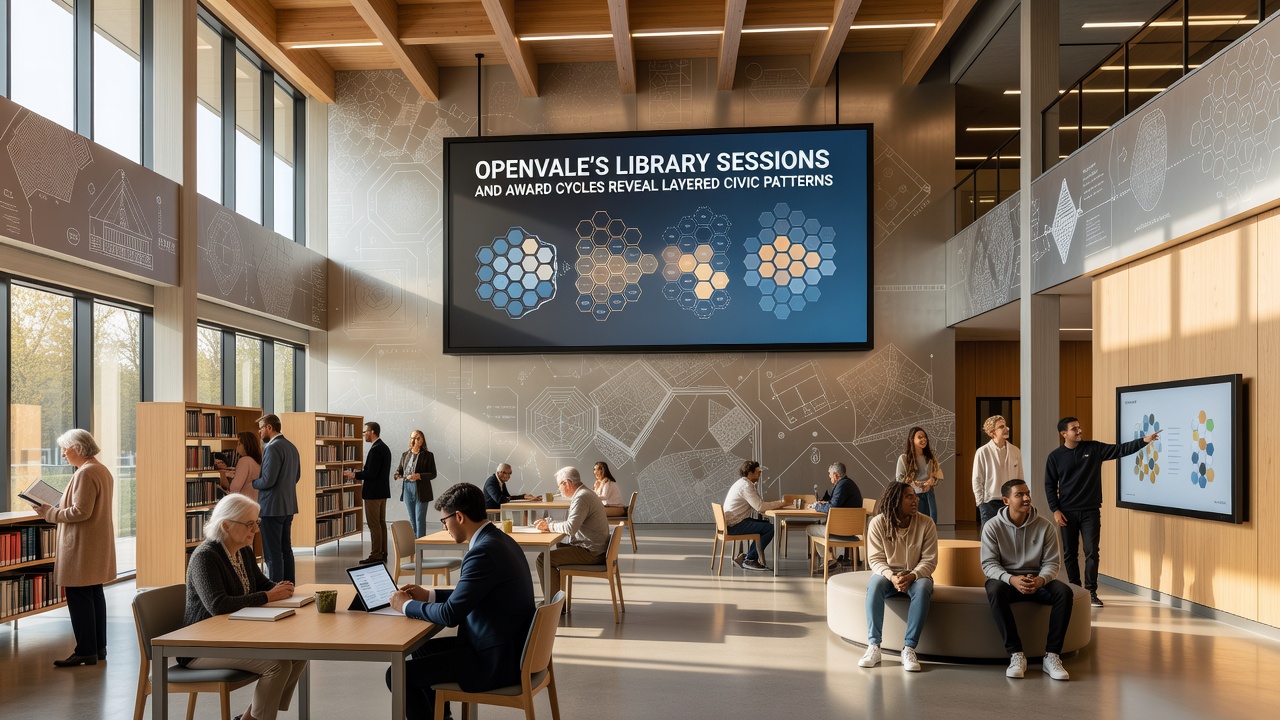
When session attendance records merge with award recipient lists, layered patterns become visible: younger participants cluster around skill-building workshops that feed into later award categories, while established community figures often receive recognition after sustained involvement in both library-led discussions and award judging panels themselves. Observers who have examined postcode-level breakdowns report that areas with consistent library footfall also produce award winners whose projects address hyper-local issues, such as shared garden maintenance or youth mentoring schemes, and these outcomes repeat across successive cycles.
Statistics from comparable civic programs tracked by Statistics Canada show similar layering effects where recurring public activities correlate with higher rates of formal recognition, and researchers at the Australian Institute of Family Studies have documented parallel structures in regional award systems tied to library networks, although direct comparisons remain limited by differing administrative frameworks.
Feedback Loops Between Sessions and Awards Strengthen Over Time
Each completed award cycle generates public summaries that library staff incorporate into future session planning, and this loop produces measurable shifts such as expanded coverage of topics previously underrepresented in nominations, while attendance at follow-up sessions rises among residents who first encountered the material through award announcements. Records indicate that the 2023–2025 period saw three new session themes added after award data highlighted gaps, and participation from those themes contributed to a broader spread of nominees in the 2026 cycle now approaching.
Those who have reviewed multi-year datasets note that the intervals between session topics and award categories shorten when both systems reference the same community metrics, and this tightening occurs without centralized directives because organizers respond independently to shared public records. The upcoming November 2026 alignment therefore offers another point where session themes and award criteria may converge further based on patterns already visible in earlier cycles.
Conclusion
Openvale's library sessions and award cycles together generate observable civic patterns that span age groups, locations, and activity types, and the data accumulated across repeated intervals continue to show how regular programming and structured recognition reinforce one another through participation routes that residents follow at different stages of involvement. The scheduled start of new sessions and nominations in November 2026 will supply additional records that can extend these observations without altering the underlying structures already documented.