Vera Müller · 15 September 2026
Allotment Groups in Openvale Adopt Composting Strategies to Decrease Waste and Strengthen Soil Health
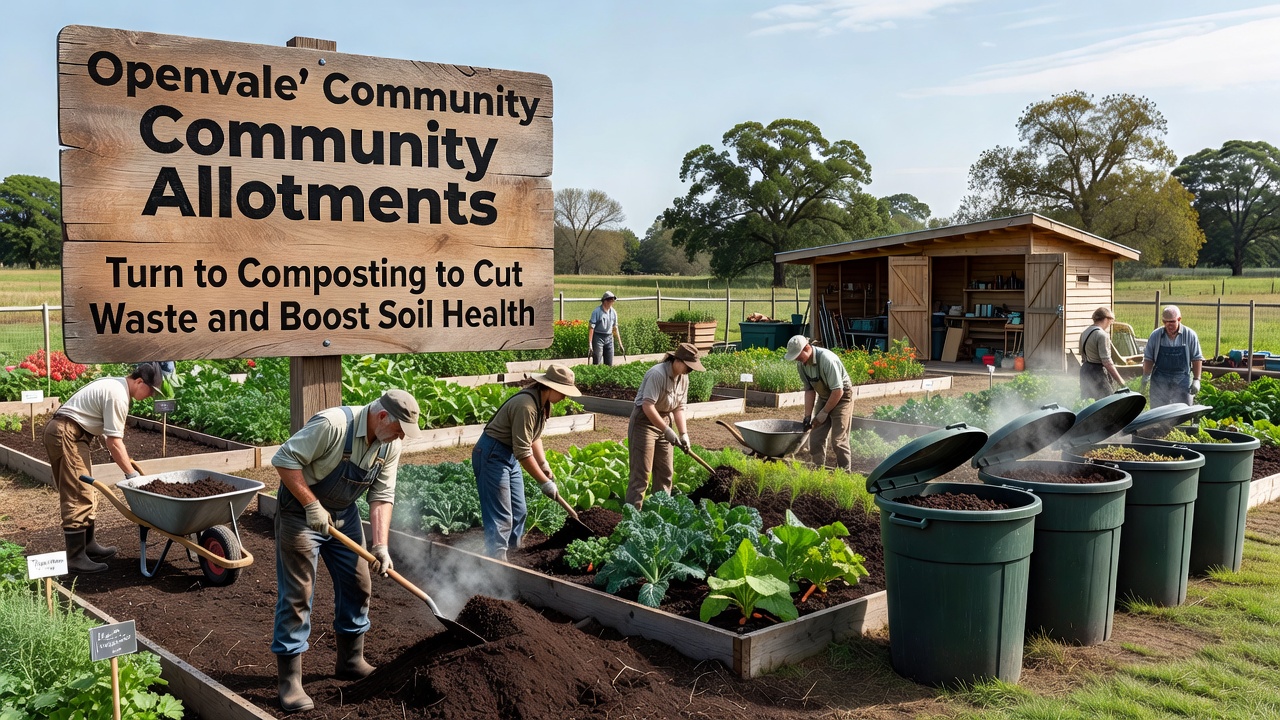
Community allotment sites across Openvale have expanded composting operations throughout 2025 and into September 2026, with participants collecting kitchen scraps along with garden clippings and layering them in designated bins to produce soil amendments that replace synthetic fertilizers. These efforts align with local waste reduction targets, and allotment holders report measurable decreases in the volume of organic material sent to landfills while noting improvements in soil structure and water retention across multiple plots.
Initial setup involved collaboration between allotment associations and municipal waste services, where bins were distributed to each site and training sessions covered the balance of green and brown materials required for effective decomposition. Participants gather waste weekly, they turn the piles every few weeks to maintain aeration, and the resulting compost gets distributed among the beds during planting seasons.
Background on Openvale Allotments and Waste Challenges
Openvale maintains several established allotment areas that serve hundreds of local residents who grow vegetables, fruits, and flowers on rented plots. Over recent years the volume of garden waste generated on site combined with household kitchen scraps created disposal pressures, and many plot holders previously relied on council collections that carried associated transport emissions and processing fees. Data collected by allotment committees showed that organic waste formed a significant portion of material leaving the sites each season.
Composting programs began as pilot projects on two larger sites in early 2025, and participation expanded after initial batches of compost demonstrated faster plant growth and fewer instances of soil compaction. Those who've studied similar programs elsewhere note that on-site processing reduces handling steps and keeps nutrients within the local growing system rather than exporting them elsewhere.
Implementation Details and Community Participation
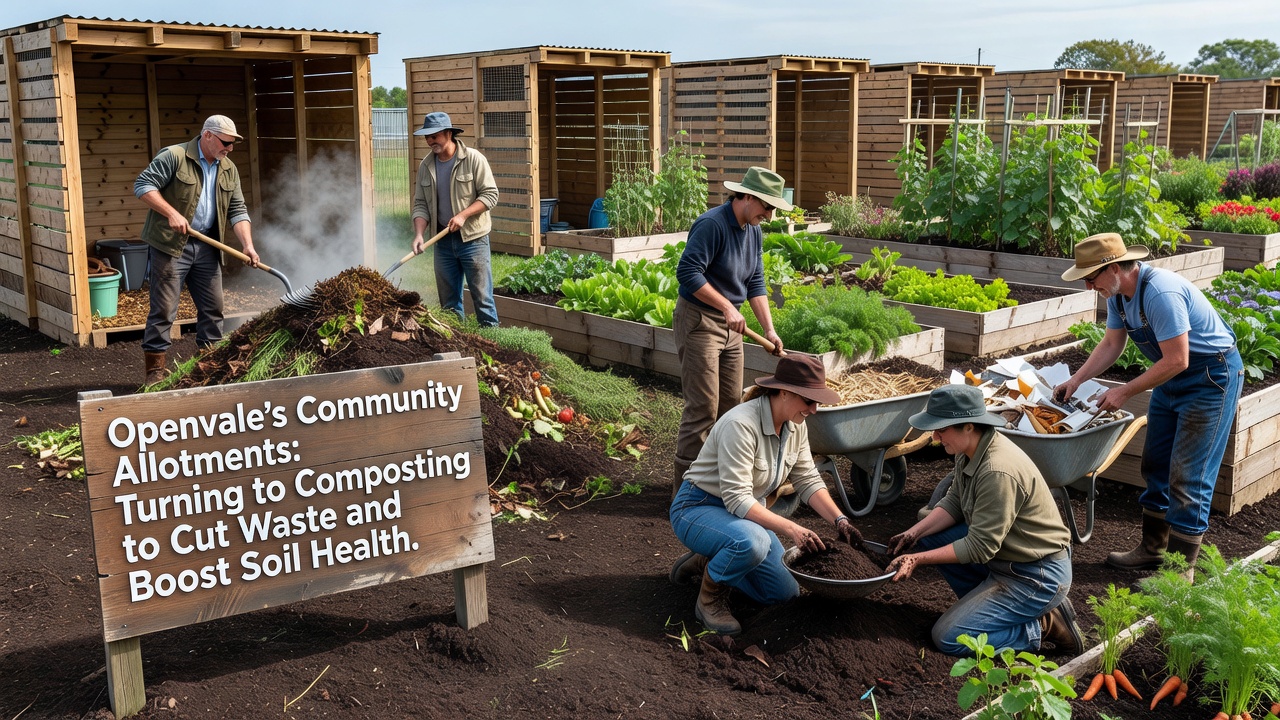
Each participating allotment now operates multiple composting stations positioned near water sources and away from plot boundaries to minimize odor concerns. Volunteers maintain sign-up sheets for turning duties, they monitor temperature with simple probes to confirm active breakdown, and finished compost undergoes basic screening before use. Workshops held monthly cover troubleshooting topics such as managing excess moisture during wet periods or adding carbon sources when piles become nitrogen-heavy.
By September 2026 records from the main Openvale sites indicated that roughly sixty percent of eligible households connected to the allotments contributed regular waste inputs, resulting in an estimated reduction of twelve tonnes of material diverted from collection routes over the preceding twelve months. Soil tests conducted on treated beds showed elevated organic matter levels compared with control plots that continued using bagged amendments.
Measured Outcomes for Waste Reduction and Soil Quality
Figures compiled by the allotment management teams reveal consistent declines in collection bin weights at participating sites, and these changes coincide with broader municipal goals for lowering organic waste streams. According to guidance published by the Environmental Protection Agency, home and community composting systems can divert substantial volumes of food scraps and yard trimmings while producing amendments that improve soil biology. Openvale participants observe similar patterns, with earthworm activity increasing in amended areas and root systems developing more extensively in beds receiving the locally produced material.
Additional observations include reduced need for irrigation during dry spells because compost-amended soil holds moisture longer, and fewer reports of nutrient deficiencies in crops such as tomatoes and leafy greens. One study from Canadian agricultural researchers on community-scale composting found comparable gains in soil health metrics when organic matter was returned directly to growing areas rather than processed off-site.
Supporting Practices and Future Expansion Plans
Allotment groups have introduced complementary measures such as designated leaf collection zones that supply carbon-rich material for the compost mix, and some sites now incorporate bokashi fermentation for denser kitchen waste streams before adding the pre-treated material to outdoor bins. Educational materials distributed to new plot holders explain the process from collection through application, and regular updates track cumulative waste diversion totals.
Plans discussed at September 2026 meetings include installing larger capacity bins at remaining sites and exploring partnerships with nearby schools for joint composting education sessions. Researchers from regional universities have expressed interest in collecting longitudinal data on soil carbon levels across the treated plots to contribute to wider studies on urban agriculture practices.
Conclusion
Openvale allotment composting efforts demonstrate how localized processing of organic waste can integrate with existing gardening activities to lower disposal volumes and build healthier growing conditions over successive seasons. Continued tracking through 2026 and beyond will provide further details on long-term soil changes and overall waste metrics, while ongoing community involvement ensures the systems remain practical for daily use.